No. 01
Handloom, not power-loom.
Our kasavu line is sourced from registered handloom clusters. Power-loom imitations exist; we don't sell them. The weight and drape of real kasavu cannot be machine-replicated.
A wedding centre that grew the way Kerala weddings do — by word of mouth, by aunts and mothers, by families who came back for the next bride. From a single counter of pure-zari sarees to a building, then a wedding house.
Kasavu Kendra began as a single counter on Mavoor Road — the long arterial in Kozhikode that runs from the railway station to the Wayanad ghats — one of the busiest crossings in the city, eighty metres from Calicut railway station and a five-minute walk from the KSRTC bus stand.
The proposition was simple: handwoven kasavu from the Balaramapuram looms, sold honestly. No power-loom imitations. No inflated wedding pricing. Brides from across the Malabar coast travelled to that counter because the cloth was real and the people who sold it were straightforward.
Word spread the way it does in Kerala — aunt to niece, mother to daughter, family to family. The counter became a floor. The floor became a building. The building became a wedding centre.
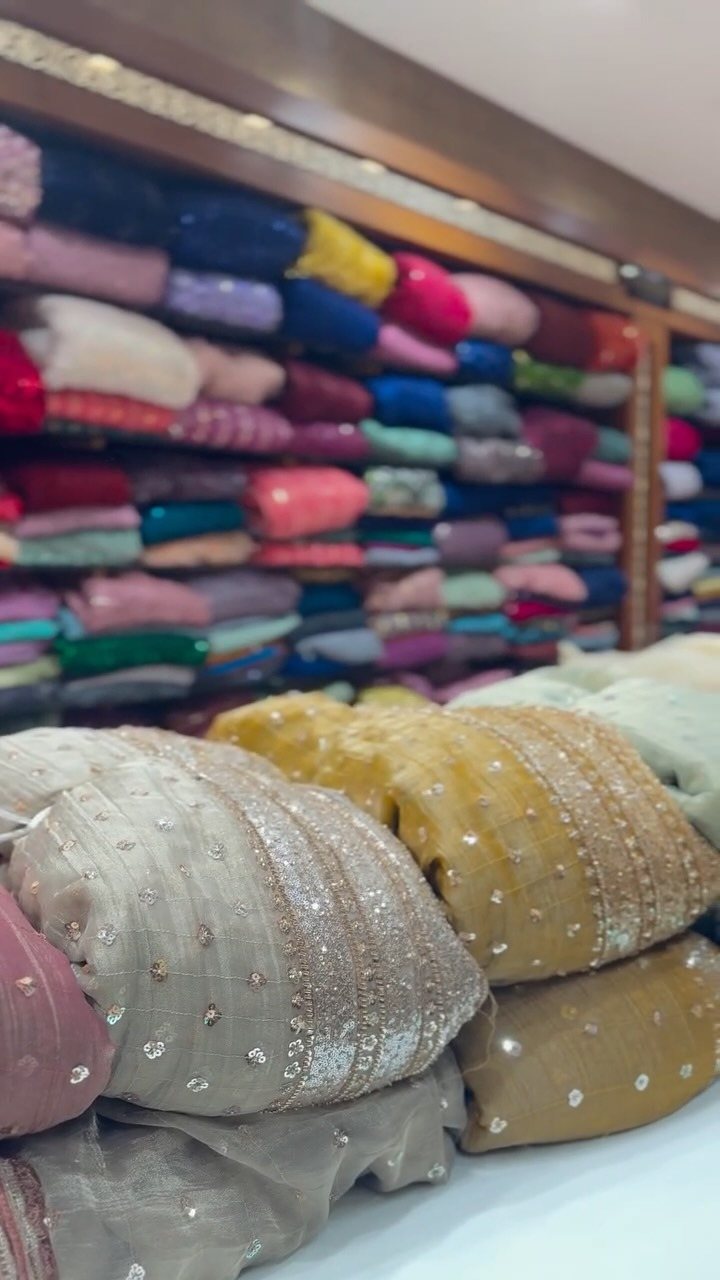
Kasavu is real metallic zari thread — historically silver dipped in molten gold — woven by hand into the border of an unbleached cotton saree. The base is ivory because the cotton was not bleached. The border is gold because it is gold.
The best kasavu still comes from a few looms in Balaramapuram (Thiruvananthapuram), Chendamangalam (Ernakulam) and Kuthampully (Thrissur). Each loom has its own signature in the way the border meets the body, the weight of the zari, the depth of the ivory.
We've spent decades buying directly from these clusters. The sarees that come into the showroom carry the loom's identity — not a generic factory finish.
A kasavu saree is the only garment a Malayali woman is wrapped in three times in her life — as a child at Onam, as a bride, and as a mother giving away her own daughter.
Kerala's kasavu line is sourced directly from three of the state's most respected handloom clusters — the only places, today, where the saree is still woven by hand.
The original Kerala kasavu cluster — fine-count cotton, pure zari and a tight, close weave. The sarees from Balaramapuram have an exact, formal feel; the gold border meets the body in a precise straight line. These are the sarees most often chosen for the nichayam and the muhurtham. Heavier, more drape, longer life.
The cluster destroyed in the 2018 Kerala floods, rebuilt by its weavers from the ground up. Chendamangalam sarees are slightly softer than Balaramapuram, with a more relaxed border and a famously distinctive selvedge. GI-tagged. Often chosen for the second-day reception saree, and for the mother of the bride.
The most decorative of the three — Kuthampully weavers introduce traditional motifs (peacock, mango, temple) inside the gold border. Slightly lighter saree, warmer drape, brighter for Onam and festive days. Often chosen for the sangeet, the post-wedding visits and the children's set-mundu.
Our kasavu line is sourced from registered handloom clusters. Power-loom imitations exist; we don't sell them. The weight and drape of real kasavu cannot be machine-replicated.
Pure-zari pieces are clearly labelled. Tested zari sarees carry a tag. We don't blur the line between real silver-gold zari and the cheaper synthetic alternative.
Our floor team is salaried, not commissioned. A bride is told what suits her, not what is hardest to clear from the rack.
Family-wear is set together in one palette — the mother's saree, the groom's mundu, the kids' looks. Twenty years from now the wedding album still reads as composed.
The three weaves are best read off the rack — you can feel the difference the moment you handle them.